
Last Updated on October 12, 2026
If you’re looking for a reliable folding knife for everyday cutting tasks, camping, or outdoor activities, choosing the right one can make a noticeable difference. The best folding knife should be comfortable to hold, easy to carry, and fitted with a blade that suits the work you intend to do. A good folding knife can be useful for opening packages, cutting cord, preparing materials, and handling other routine tasks. However, not every model offers the same blade quality, locking mechanism, or ease of maintenance. In this guide, we’ll explain what to look for and review five folding knife models to help you compare their features and limitations.
Our Recommended Top 3 Folding Knife Comparison Table
| Images | Folding Knife | Products Features |
|---|---|---|
Editor's Choice Check Price | Kershaw Clash Black Serrated (1605CKTST); 3.1” Stainless Steel Blade with Black-Oxide Coating; Glass-Filled Nylon Handle with SpeedSafe Open, Flipper, Locking Liner and Reversible Pocketclip; 4.3OZ Read Review | |
RAT Series Blade Check Price | Ontario Knife ON8848-BRK Rat-1 Read Review | |
Affordable Choice Check Price | Gerber Freeman Guide Folding Knife, Fine Edge, Drop Point [31-000591] Read Review |
How to Select the Best Folding Knife
The best folding knives combine a suitable blade, comfortable handle, reliable construction, and a practical opening and closing mechanism. A knife that looks impressive may not be the most comfortable option for everyday use.
Before choosing a folding knife, think about the tasks you expect to perform. A compact knife may be convenient for opening packages and cutting rope, while a larger model may offer more cutting surface for general outdoor work.
Blade steel is another important consideration. Stainless steel generally offers better corrosion resistance, while many carbon steels are relatively easy to sharpen but require more protection from moisture. Neither material is automatically superior in every situation.
Also consider the knife’s closed length, weight, grip material, maintenance requirements, and applicable local carrying laws. A folding knife that is comfortable and appropriate for your needs will usually be more useful than one chosen only for its appearance.
SAVE TIME: Go Directly to Our Five Folding Knife Reviews
Important Features to Look for in a Folding Knife
There are many folding knives available, and their features can vary considerably. Understanding the differences can help you compare products more effectively.
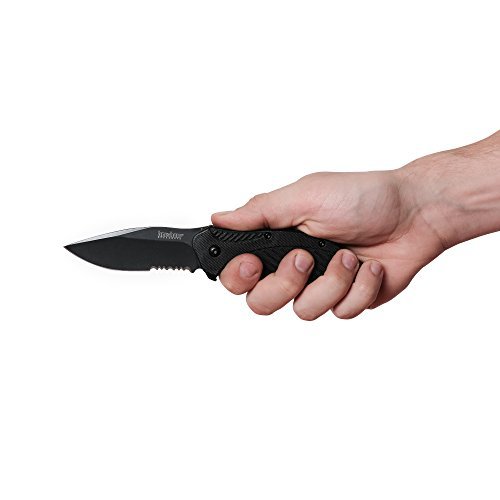
1. Stainless Steel vs. Carbon Steel Folding Knives
The blade material affects how a folding knife performs, how easily it sharpens, and how much maintenance it requires.
Stainless steel: Stainless steel contains enough chromium to provide corrosion resistance, although the amount varies by grade. Some stainless steels are designed for easy sharpening, while others emphasize edge retention or toughness.
Carbon steel: Many non-stainless carbon steels can take a useful cutting edge and may be relatively straightforward to sharpen. However, they are more vulnerable to rust and discoloration when exposed to moisture.
Higher-performance alloys: Some knives use specialized stainless steels developed to balance edge retention, toughness, and corrosion resistance. Their performance depends on the precise composition, heat treatment, and blade design.
It is incorrect to assume that all carbon steel blades are stronger than stainless steel or that stainless steel always breaks easily. Blade performance depends on several factors, not just the material category.
2. Folding Knife Blade Size
Folding knives come with blades in different lengths. Compact models are often easier to carry and control during small cutting tasks, while larger blades can provide more cutting length.
However, a longer blade also increases the knife’s overall size. Before choosing one, check its closed length, weight, and how comfortably it fits in your hand.
A compact pocket knife may be more practical for routine tasks than a bulky model intended for specialized outdoor activities.
Always check local laws and applicable restrictions before carrying a folding knife in public, at work, or while traveling.
3. Handle Comfort and Ergonomics
The handle is one of the most important parts of a folding knife because it affects comfort and control.
Common handle materials include glass-filled nylon, G10, aluminum, stainless steel, wood, and composite materials.
Textured handles can provide a more secure grip, while smooth handles may be easier to clean. Neither option is universally better.
Choose a handle that fits your hand comfortably without creating pressure points. A well-shaped handle should allow you to perform ordinary cutting tasks without constantly adjusting your grip.
4. Locking Mechanism
Many folding knives include a mechanism designed to hold the blade open during normal use.
Common designs include liner locks, frame locks, back locks, and crossbar-style locks. Each uses a different mechanical arrangement.
A properly functioning lock can help reduce the risk of the blade closing unexpectedly. However, no folding knife should be considered completely fail-proof.
Before every use, inspect the knife for damage, looseness, or unusual movement. Never place your fingers in the blade’s closing path.
5. Blade Pivot and Construction
Unlike a fixed-blade knife, a folding knife has a pivot connecting the blade to the handle. The condition of this pivot affects how smoothly the blade opens and closes.
Look for a model with solid construction and no excessive blade movement. The blade should open and close according to its intended mechanism without grinding or unusual resistance.
Loose hardware, a damaged pivot, or a malfunctioning lock may make a folding knife unsafe to use. Follow the manufacturer’s maintenance instructions rather than attempting unauthorized modifications.
6. Overall Folding Knife Design
Blade shape, handle design, and weight all influence the knife’s usefulness.
Drop-point blades are common on general-purpose folding knives. Some models use partially serrated edges, while others have plain edges intended for smooth slicing.
A plain edge is often easier to maintain with common sharpening tools. Serrated edges may be useful for certain fibrous materials but can require specialized sharpening equipment.
When comparing designs, choose one that suits your regular cutting tasks rather than relying on appearance alone.
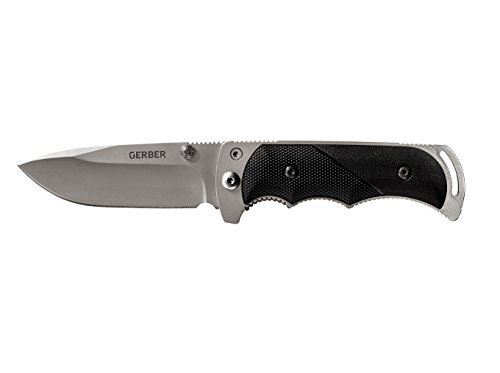
7. Maintenance and Sharpening
A folding knife needs occasional cleaning and edge maintenance. Dirt and moisture can accumulate around the pivot, particularly after outdoor use.
Clean the knife according to the manufacturer’s instructions and make sure it is dry before storage.
For edge maintenance, use an appropriate sharpening tool. Our knife sharpening guide explains several sharpening methods and what to consider when choosing one.
5 Folding Knife Reviews – 2027 Buying Guide
The following five reviews cover established folding knife models with different blade materials, handle styles, and designs. Some are more compact, while others are intended for general outdoor utility.
These are models included in the original article, not newly tested 2027 releases. Product availability, specifications, and warranties may change, so check the manufacturer’s current documentation before making a decision.
1. Kershaw Clash 1605CKTST Folding Knife Review
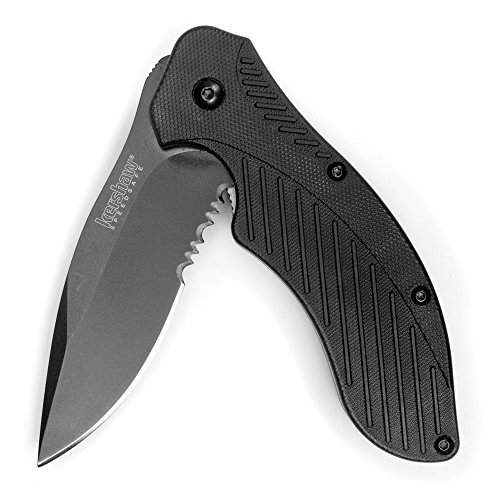
The Kershaw Clash is a folding knife known for its compact design and assisted-opening mechanism. The 1605CKTST version includes a partially serrated blade and a textured glass-filled nylon handle.
Its blade measures approximately 3.1 inches, making it a relatively compact option for general utility tasks. The knife uses Kershaw’s SpeedSafe assisted-opening system, which helps complete the opening movement after it is initiated.
A liner lock is designed to hold the blade open during normal use. However, this does not eliminate the need to check that the lock is functioning correctly.
The Clash also features a pocket clip for carrying the folded knife where permitted. Check the exact clip configuration for the specific product version.
 Check Price
Key Features:
- Approximately 3.1-inch blade.
- Partially serrated cutting edge on the listed version.
- Glass-filled nylon handle.
- SpeedSafe assisted-opening mechanism.
- Liner lock construction.
- Approximately 4.3-ounce weight.
Pros:
- Compact enough for many general utility tasks.
- Textured handle provides a practical gripping surface.
- Assisted-opening design.
- Pocket clip adds carrying convenience where permitted.
Cons:
- Partially serrated blades can require additional attention when sharpening.
- Assisted-opening mechanisms may be subject to restrictions in some locations.
- The recurve blade profile may be less convenient to sharpen using certain flat sharpening tools.
Verdict:
The Kershaw Clash offers a compact utility design with a textured handle and assisted opening. It may appeal to people who prefer this combination of features, although the partially serrated blade and recurve profile can make sharpening more involved.
2. Ontario RAT Model 1 Folding Knife Review
The Ontario RAT Model 1 is a well-known folding knife design. The original Ontario 8848 version features an approximately 3.5-inch plain-edge blade made from AUS-8 stainless steel.
AUS-8 is a stainless steel commonly used in knives intended for general-purpose cutting. It offers corrosion resistance, although it is not completely immune to rust.
The RAT Model 1 also features a textured synthetic handle, a liner lock, and a pocket clip with multiple positioning options.
Its relatively simple construction makes it easier to inspect and clean than some more complicated folding knife designs.
 Check Price
Key Features:
- Approximately 3.5-inch plain-edge blade.
- AUS-8 stainless steel on the original model.
- Textured synthetic handle.
- Liner lock.
- Thumb-stud opening.
- Multi-position pocket clip.
- Approximately 5-ounce weight.
Pros:
- Practical general-purpose blade shape.
- Relatively straightforward construction.
- Multiple pocket clip positions.
- Stainless steel offers useful corrosion resistance.
Cons:
- Larger than some compact folding knives.
- Handle comfort depends on hand size and personal preference.
- Product versions and blade steels may differ from the original listing.
Verdict:
The Ontario RAT Model 1 is a straightforward folding knife design with a useful blade size and conventional locking mechanism. Before purchasing, confirm the actual manufacturer, blade steel, and model version because the RAT product line has undergone changes over time.
3. Gerber Freeman Guide Folding Knife Review
The Gerber Freeman Guide is an outdoor-oriented folding knife with a relatively broad blade and a handle designed to provide a secure grip.
The original version in this review has an approximately 3.6-inch blade and a handle with pronounced finger grooves. Some versions include textured rubberized grip sections and a nylon carrying sheath.
These features can be useful for general outdoor cutting tasks. However, a larger handle and heavier construction may feel bulky compared with smaller everyday folding knives.
The Freeman Guide uses a locking mechanism to hold the blade open. As with any folding knife, inspect the mechanism before use and avoid relying on the lock for tasks beyond the manufacturer’s recommendations.
 Check Price
Key Features:
- Approximately 3.6-inch blade on the reviewed version.
- Textured handle with finger grooves.
- Outdoor-oriented folding construction.
- Locking blade design.
- Carrying sheath on certain packages.
- Relatively substantial handle and body.
Pros:
- Handle shape may suit users who prefer a larger grip.
- Useful for ordinary outdoor utility tasks.
- Textured gripping surfaces.
- Some packages include a storage sheath.
Cons:
- Heavier and bulkier than many compact models.
- May be less convenient for very small cutting tasks.
- Included accessories vary by product listing.
Verdict:
The Gerber Freeman Guide is an option for someone who prefers a larger outdoor-style folding knife. Its handle design may provide comfortable control during ordinary cutting tasks, although its size and weight are less convenient for people who prefer a compact pocket knife.
4. Folding Utility Knife – Original Vermont Listing Review
The original article identified this product as a Vermont camping and utility folding knife. However, its associated Amazon link points to a Gerber Freeman Guide model rather than a clearly identified Vermont product.
Because the product name and linked listing do not match, its exact manufacturer, blade material, handle construction, and warranty cannot be confirmed from the original information alone.
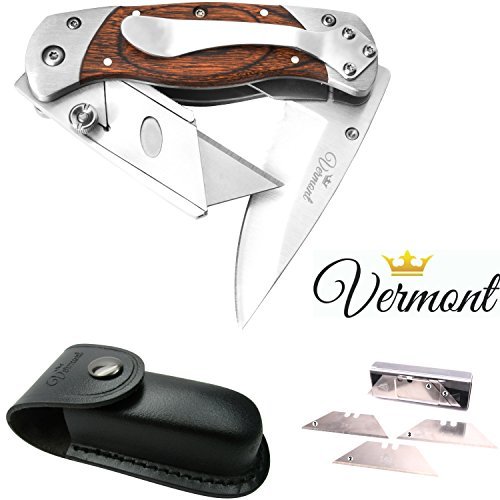
The original description refers to a compact folding utility knife with a wooden-style handle and a locking blade. These details should be treated as historical listing claims rather than verified specifications for the linked product.
If you are reviewing this option, confirm the model name and seller information before relying on the product description.
 Check Price
Originally Described Features:
- Compact folding construction.
- General utility blade.
- Wooden-style handle described in the original article.
- Locking blade mechanism claimed in the original listing.
- Portable design.
Pros:
- Compact folding knives can be convenient for routine utility tasks.
- A simple blade shape may be practical for everyday cutting.
- Folding construction reduces storage space.
Cons:
- Product identity does not match the original Amazon link.
- Exact specifications and warranty are unverified.
- The original article reported possible blade movement, which would require careful inspection before use.
Verdict:
This entry needs further product verification before it can be recommended as a specific model. If a folding knife develops unintended blade movement or lock instability, stop using it and seek manufacturer guidance. Do not continue using a knife with a suspected locking defect.
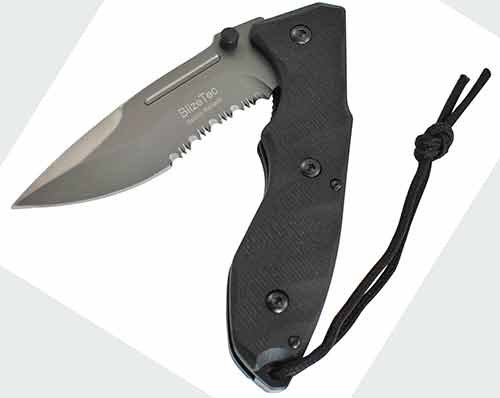
5. BlizeTec Titanium-Coated Folding Knife Review
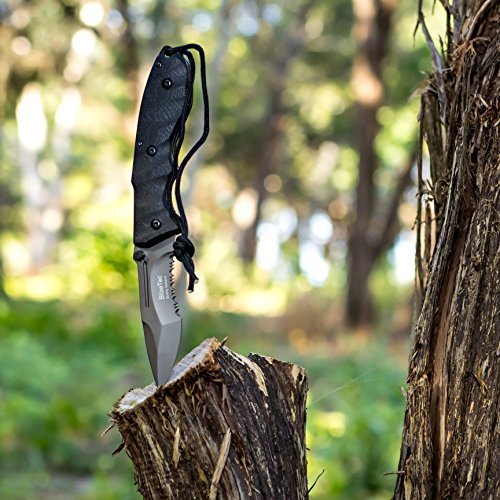
The BlizeTec folding knife is described in the original product listing as a stainless steel folding knife with a titanium-based blade coating and a G10-style handle.
G10 is a composite material commonly used for knife handles because of its dimensional stability and resistance to moisture.
The original listing also describes a drop-point blade, liner lock, and nylon carrying pouch.
It is important to understand that a titanium coating does not make a blade completely corrosion-proof. The underlying steel, coating condition, and maintenance all affect long-term performance.
 Check Price
Originally Listed Features:
- Stainless steel blade with titanium-based coating.
- Drop-point blade profile.
- G10-style handle construction.
- Liner lock.
- Nylon carrying pouch listed with the original product.
- Limited warranty originally advertised; verify current coverage.
Pros:
- Textured composite handle.
- Drop-point profile is common for general utility work.
- Coated blade provides a distinct finish.
- Compact folding construction.
Cons:
- Coating does not eliminate corrosion or maintenance requirements.
- Original warranty terms may no longer apply.
- Current availability and specifications need confirmation.
Verdict:
The BlizeTec folding knife offers a combination of composite handle construction and a coated blade design. However, its current specifications, warranty, and availability should be confirmed before making a purchase decision.
Folding Knife Safety and Maintenance
Proper care is important for keeping a folding knife functional and reducing avoidable accidents. Unlike fixed-blade knives, folding models have moving parts that require periodic inspection.
Check the Lock Before Use
Inspect the knife for excessive blade movement, damaged components, or a malfunctioning locking mechanism. Do not use the knife if the blade does not remain properly secured during ordinary handling.
A locking mechanism can reduce the risk of accidental closure, but it does not make a folding knife suitable for prying, twisting, or other activities outside its intended use.
Keep the Knife Clean
Remove dirt and debris from accessible surfaces after use. Use the cleaning method recommended by the manufacturer and avoid soaking a folding knife unless the instructions specifically permit it.
Dry the knife thoroughly, paying attention to areas around the pivot and handle.
Maintain the Cutting Edge
A dull blade may require excessive force and can slip during cutting. Use a sharpening method appropriate for the knife’s steel and blade geometry.
Some partially serrated or recurved blades require specialized sharpening tools. Do not assume that every sharpener works with every blade type.
Store the Knife Securely
Close the blade completely before storage. Keep the knife in a dry location away from children and unauthorized users.
For longer storage, follow the manufacturer’s recommendations for lubrication and corrosion prevention.
Common Folding Knife Problems
Blade Does Not Open Smoothly
Dirt, dried residue, or damaged hardware can interfere with the opening mechanism. Follow the manufacturer’s cleaning and maintenance instructions. Do not force a jammed blade.
Blade Has Excessive Side-to-Side Movement
Unexpected blade movement may indicate wear, loose hardware, or damage. Stop using the knife until the issue has been properly assessed.
Lock Does Not Engage Properly
A malfunctioning lock is a significant safety concern. Do not use a knife if its locking mechanism fails to operate as intended. Contact the manufacturer or a qualified repair service.
Blade Develops Rust or Staining
Even stainless steel can develop corrosion under unfavorable conditions. Keep the knife clean and dry, and follow the manufacturer’s recommendations for blade care.
Carbon steel blades generally require more frequent attention, particularly in humid environments.
Frequently Asked Questions About Folding Knives
1. What makes a good folding knife?
A good folding knife should have a suitable blade material, comfortable handle, solid construction, and a reliable opening and closing mechanism. The best choice depends on the tasks you plan to perform and the knife’s maintenance requirements.
2. Is stainless steel better than carbon steel for folding knives?
Stainless steel generally provides better corrosion resistance, while many carbon steels can be convenient to sharpen but require more protection against rust. Neither is automatically better in every situation. Blade design and heat treatment also matter.
3. Are folding knife locks completely safe?
No. A locking mechanism helps reduce the chance of the blade closing unexpectedly, but mechanical components can wear or fail. Inspect the knife before use and avoid applying forces beyond its intended purpose.
4. How often should a folding knife be sharpened?
Sharpening frequency depends on usage, blade steel, cutting materials, and edge condition. Sharpen the blade when cutting becomes noticeably less effective, using a method appropriate for the knife.
5. Can folding knives rust?
Yes. Carbon steel is especially vulnerable to corrosion, but stainless steel is not completely rust-proof. Proper cleaning, drying, and storage help reduce the risk.
6. Can you carry a folding knife anywhere?
No. Knife laws differ by country, state, city, and specific location. Restrictions may depend on blade length, opening mechanism, intended use, or where the knife is carried. Always check the current rules that apply to your location and travel plans.
Final Thoughts
The best folding knife should be well constructed, comfortable to use, and suitable for the tasks you expect to perform. Blade steel, handle material, locking mechanism, size, and maintenance requirements all deserve consideration.
The five models discussed above have different strengths and limitations. However, product specifications and availability can change, particularly for older models. Verify the current version before making any purchasing decision.
Most importantly, use folding knives only for appropriate tasks, inspect their moving parts regularly, and store them securely. A properly maintained knife is more dependable than one that is neglected, regardless of its original price or reputation.