
Last Updated on October 12, 2026
A Davenport desk is a small, traditional writing desk known for its sloping writing surface, compact design, and built-in storage drawers. This style of furniture became especially popular during the 19th century, although its origins are often traced to the late 18th century. The name is traditionally associated with a Captain Davenport, who is said to have commissioned a writing desk from the English furniture-making firm Gillows of Lancaster. However, the exact details of the desk’s earliest development remain a subject of historical discussion.
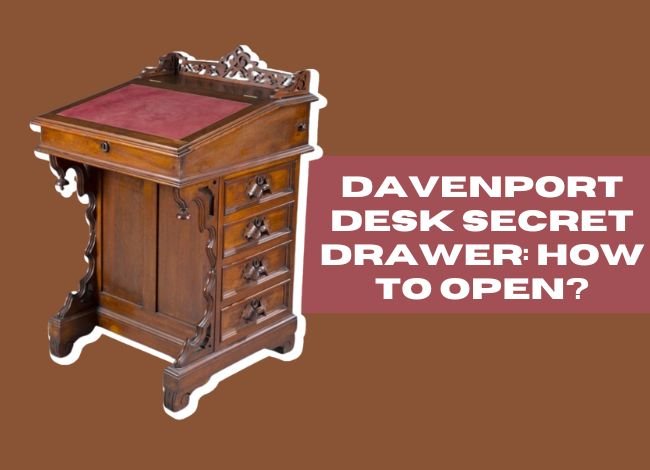
Most Davenport desks have a hinged, sloping writing surface that lifts to reveal compartments for paper, writing tools, and other small items. They often feature a set of drawers along one side, with decorative false drawer fronts on the opposite side. Some examples also include a small compartment for pens and ink, a sliding writing surface, or hidden storage areas.
Davenport desks were valued for combining a writing surface and storage in a relatively small piece of furniture. Their designs became particularly fashionable during the Regency and Victorian periods. Some were fitted with small casters, making them easier to move within a room.
Today, antique Davenport desks are appreciated for their craftsmanship, decorative woodwork, and historical character. They are popular among antique collectors, but they can also serve as attractive writing desks in bedrooms, living rooms, studies, and traditional home offices.
What Makes a Davenport Desk Unique?
A Davenport desk looks different from a typical office desk. Instead of a wide, flat desktop supported by four legs, it usually has a compact cabinet-like body with a sloping writing surface above a series of drawers.
Several features help distinguish a Davenport desk from other traditional writing desks:
- Sloping writing surface: The angled top provides a convenient surface for handwriting. Many traditional models have a leather-covered writing area that lifts to reveal storage underneath.
- Side drawers: Several functional drawers are commonly arranged along one side of the desk. Some models have false drawer fronts on the opposite side to create a balanced appearance.
- Compact dimensions: Many traditional Davenport desks are relatively narrow, making them suitable for smaller rooms. However, dimensions vary depending on the period and manufacturer.
- Decorative woodwork: Antique examples may feature mahogany, walnut, rosewood, decorative veneers, brass fittings, or carved supports.
- Additional storage: Some desks include pen compartments, sliding trays, concealed spaces, or small storage sections beneath the writing surface.
- Traditional craftsmanship: Older examples may feature dovetail drawer joints, hand-fitted components, and other details associated with period furniture construction.
Not every Davenport desk includes all these features. Designs changed over time, and many modern reproductions imitate the appearance of older examples while using different materials and construction methods.
How Do You Open the Secret Drawer in a Davenport Desk?
Some Davenport desks have hidden drawers or concealed storage compartments, but not every model includes them. The location and opening mechanism depend on the design, age, and manufacturer of the desk.
Before searching for a secret compartment, examine the desk carefully. Open the visible drawers normally, inspect the writing surface, and look for unusual gaps, sliding sections, or small catches. Avoid forcing anything that appears stuck, especially if you are working with an antique.
Depending on the desk’s construction, a concealed compartment might be located behind a removable panel, beneath the writing surface, or inside another drawer. However, these arrangements are not standard across all Davenport desks.
Here are some common places to inspect:
- Behind a panel or shelf: Some desks have removable panels or sliding sections that conceal small storage spaces. Look for a carefully fitted panel or an accessible release mechanism. Do not pry open wooden sections unless you have confirmed that they are designed to move.
- Under the writing surface: Many Davenport desks have a hinged writing lid that opens to reveal storage. A few may contain additional compartments beneath internal trays or dividers. Lift the writing surface gently, checking for hinges, catches, or locking mechanisms before opening it fully.
- Inside or behind a drawer: Certain antique desks may have compartments concealed behind drawer interiors or removable dividers. Examine the inside of each drawer for unusual construction details, but avoid removing fitted pieces without understanding how they are attached.
- Near the upper storage compartments: Some Davenport desks have small compartments near the top for pens, ink, or other writing accessories. Inspect these areas for sliding trays or hinged covers that may not be obvious at first glance.
If you cannot find a hidden compartment, your desk may simply not have one. Secret drawers were not a universal feature of Davenport desks, and some apparent panels or drawer fronts are purely decorative.
For valuable antiques, avoid using knives, screwdrivers, or excessive pressure to open unfamiliar sections. Old veneers, joints, locks, and hinges can be fragile. An experienced antique furniture restorer may be able to identify a concealed mechanism without damaging the original construction.
How Can You Tell if a Davenport Desk Is Antique?
Determining the age of a Davenport desk requires more than looking at its general design. Many reproductions were produced during the 20th century, and newer desks can closely resemble older examples.
Start by examining the materials, construction, and hardware. Antique desks may show natural wear in areas that receive regular contact, such as drawer handles, writing surfaces, and the edges of the cabinet.
Look closely at the drawer joints, hinges, screws, and interior surfaces. These details may provide clues about how the desk was made. However, traditional construction methods continued to be used after the Victorian period, so no single feature proves a desk’s age.
Maker’s stamps, labels, old invoices, and documented ownership history can also be useful. If you believe you own a particularly valuable Davenport desk, consider having it examined by a qualified antique furniture specialist before attempting repairs or refinishing.
Who Should Buy a Davenport Desk?
A Davenport desk can be an excellent choice for someone who appreciates traditional furniture and wants a compact writing area with built-in storage. Its distinctive design makes it both a useful piece of furniture and an attractive decorative feature.
Antique collectors may be interested in Davenport desks because of their historical associations, craftsmanship, and variety of decorative styles. Original examples in good condition can be especially appealing when their age and maker are properly documented.
A Davenport desk may also suit people who enjoy handwriting, journaling, sketching, or keeping stationery organized. The sloping writing surface can be comfortable for certain traditional writing tasks, although the angle may not suit everyone.
Because these desks are generally compact, they can fit into bedrooms, studies, and smaller living spaces. However, they are not always ideal for modern computer work. The angled surface, limited legroom, and narrow desktop may make it difficult to use a large monitor, keyboard, and mouse comfortably.
If you need a desk for several hours of computer work each day, a larger flat-surface desk may be more practical. On the other hand, if you mainly want a traditional writing station or a decorative antique, a Davenport desk could be a good fit.
What Should You Check Before Buying a Davenport Desk?
Whether you are buying an antique or a reproduction, inspect the desk carefully before making a decision. Appearance is important, but the condition and functionality of the furniture matter just as much.
- Overall condition: Check for cracks, loose joints, missing veneer, signs of woodworm, and evidence of previous repairs.
- Writing surface: Make sure the hinged top opens and closes correctly. Inspect the leather or other writing surface for excessive wear or damage.
- Drawers and compartments: Open each drawer gently to check whether it moves smoothly. Look for damaged runners, missing handles, or broken locks.
- Stability: Make sure the desk stands securely and does not rock excessively. Inspect the legs, supports, and casters if fitted.
- Authenticity: If you are paying an antique premium, ask about the desk’s estimated age, provenance, restorations, and any maker’s marks.
- Available space: Measure the desk and the room where you plan to use it. Remember to allow clearance for opening the writing lid and drawers.
If possible, inspect the desk in person before purchasing. Photographs may not clearly show structural problems, damaged joints, or signs of extensive restoration.
How to Care for an Antique Davenport Desk
Antique Davenport desks require gentle care, especially when they contain old wood finishes, decorative veneers, leather writing surfaces, or original metal fittings.
Use a soft, dry cloth to remove dust regularly. Avoid soaking the surface with water or using harsh household cleaners. Strong cleaning products may damage old finishes or decorative details.
Keep the desk away from prolonged direct sunlight, excessive humidity, and nearby heat sources. Sudden changes in temperature and humidity can cause wood to expand or contract, potentially affecting joints, veneers, and drawers.
Do not overload the writing surface or force drawers that are difficult to open. If a hinge, lock, or sliding section stops working, have the problem examined rather than attempting an aggressive repair.
For valuable antique pieces, consult a furniture conservator before applying polish, removing old finishes, or replacing original hardware. Maintaining the original materials and finish can be important to the desk’s historical character and value.
Frequently Asked Questions About Davenport Desks
1. Why is it called a Davenport desk?
The name is traditionally linked to a Captain Davenport who is said to have commissioned a small writing desk from Gillows of Lancaster in the late 18th century. While this explanation is widely repeated in furniture history, some details of the desk’s early development remain uncertain.
2. How old are Davenport desks?
The design is associated with the late 18th century and became particularly popular during the 19th century. However, Davenport-style desks continued to be manufactured later, so the desk’s appearance alone cannot establish its age.
3. Does every Davenport desk have a secret drawer?
No. Some Davenport desks have hidden compartments, while others only have ordinary drawers and storage beneath the writing surface. The presence of secret storage depends on the specific design.
4. What wood is used to make Davenport desks?
Traditional Davenport desks were often made using woods such as mahogany, walnut, and rosewood, sometimes with decorative veneers. The materials vary by manufacturer, period, and price range.
5. Can you use a Davenport desk for a computer?
You may be able to use a small laptop on certain Davenport desks, provided the writing surface is stable and large enough. However, most traditional models are not ideal for large monitors or extended computer work because of their sloping tops and limited workspace.
6. Are antique Davenport desks valuable?
Some antique Davenport desks can be valuable, particularly when they have documented provenance, desirable craftsmanship, original features, and good overall condition. However, prices vary widely, and not every old Davenport desk is a valuable collectible.
Final Thoughts
A Davenport desk is a distinctive piece of traditional furniture that combines a compact writing surface with practical storage. Its sloping top, side drawers, and decorative craftsmanship make it different from the ordinary desks commonly used today.
Whether you are interested in antique furniture or simply want a small writing desk with character, a Davenport desk can be worth considering. Before buying, inspect its condition, check that the drawers and writing surface work properly, and make sure its dimensions suit your room.
If you already own an antique Davenport desk, handle its moving parts carefully and avoid unnecessary modifications. With suitable care, it can remain an attractive and functional piece of furniture for many years.