
Last Updated on October 30, 2026
As a car owner, you want your vehicle to look clean and free from scratches. But scuffs around the door handle, swirl marks after washing, and small scratches from everyday use are difficult to avoid. Luckily, you can improve many of these marks at home with the best car scratch remover for the job. That does not mean every scratch can be polished away, though.
Some products are gentle polishing pastes, while others are stronger compounds or multi-step kits. What works on a small clear-coat mark may do nothing for a deep scratch that has reached the color paint. We’ll compare five scratch-removal products, explain which marks they can improve, and help you choose the best car scratch remover without unnecessarily damaging the finish.
SAVE TIME: Directly Go Our Recommend Top 5 Car Scratch Remover list
Anatomy of a Car Scratch: Know What You Can Fix
Most modern cars have a primer, a colored basecoat, and a clear coat on top of the body panel. The clear coat gives the paint its gloss and protects the color underneath. This is also where many everyday scratches occur. Understanding these layers makes it much easier to decide whether to use a scratch remover or arrange a repair.
Clear-coat scratches: Fine swirls and shallow scuffs can often be reduced by polishing. A suitable product gently smooths a small amount of the surrounding clear coat, helping light reflect more evenly so the mark is less noticeable.
Color-coat scratches: If you can see a different color or your fingernail catches firmly on the mark, the damage may extend beyond the clear coat. A polishing compound cannot put missing paint back on the panel. You may need a matching touch-up product.
Primer or bare metal: When a scratch reaches the underlying material, proper paint repair matters because exposed metal can rust. You may need to take your car to the garage rather than keep polishing. For this type of damage, a qualified body shop can recommend the correct paint repair.
Try cleaning the mark and putting a little water over it. If it becomes much less noticeable when wet and your fingernail does not catch, a mild polish may help. This is only a quick guide. Do not assume every scratch is safe to polish heavily.
Why Remove Small Scratches?
A clean finish looks better and helps maintain the appearance of your vehicle. Treating a small clear-coat scratch can be cheaper and easier than having an entire panel professionally corrected. But a light scratch is mainly a cosmetic issue; it does not automatically cause rust. Rust becomes a concern when paint damage exposes the metal underneath.
Correcting a mark early also gives you a chance to inspect the surrounding paint. If you notice cracks, peeling clear coat, or a deep gouge, a scratch-removal compound is unlikely to be the complete solution. The aim is to improve the paint safely, not remove more material than necessary.
How to Choose the Best Car Scratch Remover
Check how aggressive the formula is
Not all scratch removers cut at the same rate. A light polish suits faint swirls and mild haze, while a stronger compound tackles more noticeable clear-coat defects. Start with the gentlest suitable product. Excessive polishing removes clear coat, and repeated rubbing will not fix scratches that have gone through the color layer.
Understand what the package contains
A single bottle of compound is not the same as a complete repair kit. Some kits include abrasive pads, polishing pads, and multiple products. Others require you to buy an applicator and microfiber cloth separately. If a kit needs a drill or polisher, make sure you understand how to use it before applying it to your car.
Consider paint compatibility
Most of the products here are designed for conventional glossy automotive paint, including clear-coated finishes. They are not automatically suitable for matte finishes, paint-protection film, or specialty coatings. Read the label, check the surface temperature, and test a small section before treating a visible area.
Remember the cleaning and protection steps
Even the best car scratch remover cannot compensate for rubbing dirt into the paint. Always wash the panel before polishing. You can clean the car by using the best car wash soap to remove road film and loose grit. Afterward, a suitable wax or sealant helps protect the corrected surface, especially if compounding has removed old wax.
Best Car Scratch Remover Reviews 2026: Our Top Five
These five scratch removers suit different jobs. Meguiar’s is a versatile compound, 3M offers a more involved repair system, Turtle Wax and Mothers are convenient for lighter marks, and Barrett-Jackson provides another hand-applied polishing option. Compare the type of scratch you have before choosing how aggressively to treat it.
| Product | Best for | How to apply | What makes it useful | Key limitation |
|---|---|---|---|---|

1. Meguiar’s Ultimate Compound
|
Swirls, oxidation and light-to-moderate clear-coat defects | Hand applicator or dual-action polisher | Micro-abrasive compound for correcting several types of glossy-paint blemishes without a multi-step kit | Cannot replace missing color or repair exposed primer; protect the paint after compounding |
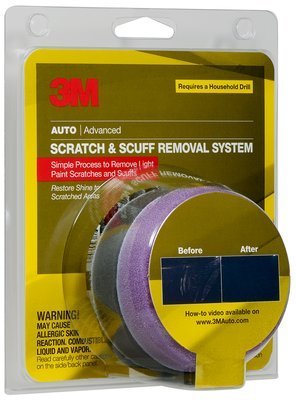
2. 3M Scratch Removal System
|
Small, localized clear-coat scratches requiring more correction | Three-step sanding, compounding and polishing; household drill (1,200–1,600 rpm) | Includes 3000-grit abrasive, pad holder, compounding/polishing pads and two treatment compounds | Highest skill and clear-coat removal risk here; do not sand through the finish |
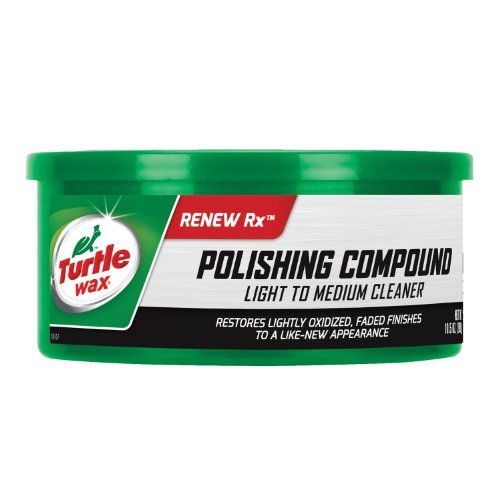
3. Turtle Wax Polishing Compound and Scratch Remover
|
Surface swirls, faded gloss and minor clear-coat imperfections | Work the 10.5-oz paste on a clean, small section with a soft applicator; wipe with microfiber | Simple cut-and-polish option for focused hand application | Abrasive paste, not paint touch-up; excessive passes can thin the clear coat |
Before polishing: Wash and dry the panel, test a small area and stop if the scratch exposes color coat, primer or bare metal. No polishing compound can replace missing paint.
1. Meguiar’s Ultimate Compound — Best Overall
Meguiar’s Ultimate Compound is a versatile choice for owners dealing with light scratches, swirls, oxidation, water spots, and blemishes. Its micro-abrasive formula is designed to improve the appearance of glossy painted surfaces, including clear-coated finishes. You can work by hand or use a dual-action polisher, depending on the size of the area.
It is a useful first choice because you do not need a complex kit to try a small correction. Wash the panel, use a small amount on a suitable applicator, and wipe the residue away with clean microfiber. Check the result before making another pass. This product improves the existing paint; it does not add color to a scratch.
- Product details: Ready-to-use polishing compound, commonly sold in a 16 fl. oz. bottle.
- Best use: Light to moderate clear-coat defects and oxidation.
- Pros: Hand or machine use, clear-coat compatible, suitable for several common marks.
- Cons: Cannot fix exposed primer or metal; protective wax or sealant should follow.
2. 3M Scratch Removal System — Best Multi-Step Kit
The 3M Scratch Removal System is a more involved option. It uses a three-step process of sanding, compounding, and polishing to improve localized clear-coat scratches. The kit includes a disc pad holder, 3000-grit abrasive, compounding and polishing pads, and small amounts of the required compounds. You supply a household drill capable of approximately 1,200–1,600 rpm, microfiber, and water.
This is not an automatic scratch-removal machine, and it is not the safest choice for someone who wants to polish without reading instructions. Excessive sanding can cut through the clear coat. If the scratch catches your nail strongly, exposes primer, or shows bare metal, a different repair method is needed.
- Product details: Includes abrasive and polishing pads for a multi-step correction.
- Best use: A suitable small scratch in the clear coat.
- Pros: Complete three-step correction system.
- Cons: Drill required; sanding carries more risk than mild hand polishing.
3. Turtle Wax Polishing Compound and Scratch Remover — Best for Light Swirls
Turtle Wax Polishing Compound is an easy-to-use paste for light scratches, swirl marks, fading, and mild oxidation. It is a practical choice for targeted polishing, but the abrasive paste should be used carefully rather than rubbed repeatedly into the same spot. The white paste works on ordinary automotive finishes and is commonly sold in a 10.5 oz tub.
Apply a little paste with a clean pad, work a small section, and remove the residue with microfiber. The paste format is straightforward for hand polishing, though it takes some patience to work evenly. Do not expect deep scratches to disappear.
- Product details: White polishing paste in a 10.5 oz tub.
- Best use: Fine surface marks and dull clear coat.
- Pros: Straightforward hand application and effective correction of common surface marks.
- Cons: Not appropriate for a deep gouge or exposed paint layers.
4. Mothers California Gold Scratch Remover — Best for Small Scuffs
Mothers California Gold Scratch Remover is designed for surface scratches around door handles, trunk lids, and other frequently touched areas. These places can collect fine marks over time, even when the rest of the vehicle looks clean. The manufacturer says this product removes surface scratches and improves the appearance of some deeper ones.
That does not mean it will erase missing paint. If you can clearly feel a deep cut, you should not rely on more rubbing to fix it. For appropriate surface marks, apply the product gently, check your progress, and protect the finish afterward.
 Check Price
- Product details: 8 fl. oz. (236 mL) scratch-removal formula.
- Best use: Small scuffs and scratches on glossy painted areas.
- Pros: Handy for localized marks; easy hand application.
- Cons: Deeper defects may only become less noticeable.
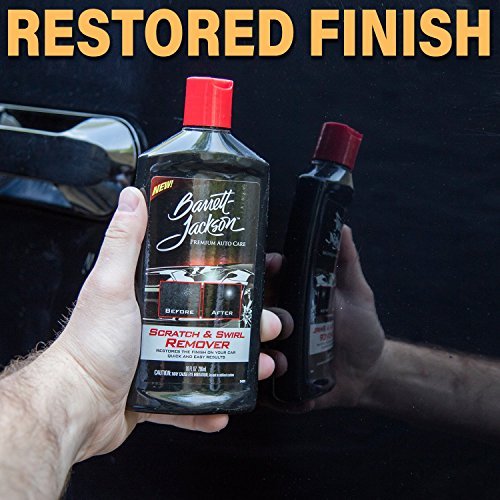
5. Barrett-Jackson Car Scratch Remover With Polishing Compound — Best for Simple Hand Polishing
Barrett-Jackson’s scratch-removal polishing compound is intended for fine scuffs, swirls, and surface scratches. Its appeal is the simple hand-polishing approach: you can work on a small cosmetic mark without setting up a drill or a multi-step sanding kit. Like other polishing compounds, it works on the existing finish rather than replacing missing paint.
Use a small amount on a clean applicator and work gently on a cool panel, following the product directions. It makes more sense for minor surface blemishes than for a scratch that catches your fingernail or reveals a different paint layer. If you need to correct widespread swirls, Meguiar’s offers more flexibility; for a carefully selected localized clear-coat repair, the 3M kit provides a more involved method.
 Check Price
- Product details: Scratch-removal polishing compound for minor cosmetic paint defects.
- Best use: Fine surface defects on compatible glossy paint.
- Pros: Simple polishing method.
- Cons: Cannot restore missing paint or repair a deep gouge.
How to Use the Best Car Scratch Remover Safely
- Start with a clean surface. Wash and dry the panel. Dirt between the pad and paint can cause more scratches.
- Check the depth. If color, primer, or metal is exposed, plan a proper paint repair.
- Test a small area. Start with a mild product and clean foam or microfiber applicator.
- Work in the shade. Keep the panel cool and follow the manufacturer’s application directions.
- Inspect your results. Wipe residue away and look at the surface in good light before repeating.
- Finish with protection. Reapply appropriate wax or sealant when compounding has disturbed existing protection.
Avoid excessive pressure around sharp body lines, edges, and repainted areas. Matte finishes and paint-protection films may need completely different care. If you need a broader explanation of touch-up work, this do-it-yourself guide covers some DIY repair options, but use the correct procedure for your finish.
How to Prevent New Car Scratches
Rinse grit off before washing, keep separate towels for wheels and painted surfaces, and avoid dragging objects over the body. Don’t wipe dusty paint with a dry cloth. A careful wash routine goes a long way toward preventing the fine swirls that send drivers looking for scratch removers.
Protective wax makes cleaning easier but cannot make a vehicle scratch-proof. You may also prefer a natural car air freshener for your car for cabin odors while keeping paint-correction chemicals outside the vehicle.
Best Car Scratch Remover FAQs
Can scratch remover fix a deep scratch?
It generally cannot replace missing paint. A clear-coat scratch may polish out, but one that reveals primer, bare metal, or a different color needs paint repair.
Does polishing remove clear coat?
Abrasive compounds remove a tiny amount to level defects. Too many passes or aggressive sanding can thin the finish, which is why starting gently matters.
Should I polish by hand or machine?
Hand application gives beginners more control on a small mark. A machine works faster over large areas but requires the right pads and technique.
Should I wax after removing scratches?
Yes, when the correction has removed existing wax or sealant. Apply suitable protection after polishing. Follow separate curing instructions if you have used touch-up paint.
Conclusion
For general light paint damage, Meguiar’s Ultimate Compound is a strong all-round choice. Mothers makes sense for small scuffs, Turtle Wax is useful for milder polishing, and the 3M kit is suited to specific clear-coat repairs when used carefully. Barrett-Jackson is an option for small surface blemishes when you prefer a simple hand-polishing method.
The best car scratch remover is the one that matches the depth of your scratch. Don’t try to fix missing paint with extra polishing. Start with a clean surface, use the least aggressive method that works, and stop when you need proper bodywork instead.