
Last Updated on October 30, 2026
 A good window tint can make your car more comfortable on sunny days, cut glare, and add privacy. The challenge is choosing a film that suits your vehicle, your budget, and your local tint laws. Darker is not always better: a high-quality light film may reject more heat than a cheap, very dark film.
In this 2026 guide, we’ll compare five window-film options, explain the differences between dyed, ceramic, and static-cling film, and help you pick a style that suits your vehicle and driving needs. If you are looking for the best window tint, start with the type of glass and the legal visible-light-transmission limit rather than a product’s marketing claims.
Our Recommended Top 3 Best Window Tint Comparison Chart
| Product | Film and fit | Shade / light transmission | Installation | Practical takeaway |
|---|---|---|---|---|
 LEXEN Pre-Cut Car Window TintCheck Price |
Vehicle-specific, non-reflective dyed-film kit | Select a shade that meets local VLT limits | Pre-cut pieces; match exact vehicle and windows | Less trimming, but fit and careful application still matter |
 Black Magic Insta-ClingCheck Price |
Removable static-cling film roll | 5% VLT: extremely dark | Cut to fit; cling application without permanent adhesive | Temporary privacy; often unsuitable or illegal on front windows |
 Auto Expressions Window FilmCheck Price |
Universal cut-to-fit film roll | VLT depends on the film shade selected | Measure, trim and apply to compatible glass | Flexible DIY sizing; takes more cutting and patience |
How to Choose the Best Window Tint in 2026
Before buying film, consider its shade, heat-control performance, window fit, installation method, and warranty. The best choice looks good without making nighttime visibility or legal compliance an afterthought.
SAVE TIME: Directly Go Our Recommend Window Tint Video review
Visible light transmission (VLT) and legal limits
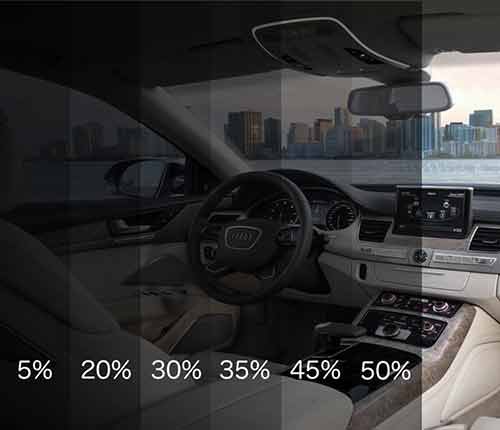
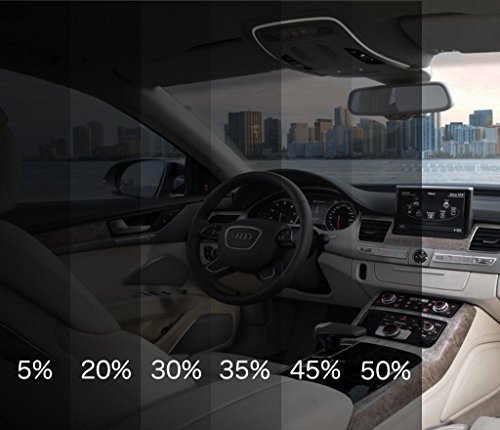
VLT measures how much visible light passes through the film and glass. A 5% VLT film is extremely dark, while a 70% film is much lighter. A film’s advertised VLT is not always the final VLT of the window: factory glass already absorbs some light. States set different rules for the windshield, front side windows, rear side windows, and rear glass. Check your state police or motor-vehicle authority before choosing a shade.
For example, Texas requires at least 25% measured light transmission on the two front side windows and limits their reflectance; California has much stricter rules for aftermarket film on the front side windows. Do not assume that a 5% roll is road-legal simply because it is sold online. Texas DPS tint standards and California Highway Patrol guidance are useful official examples.
UV protection, infrared rejection, and total heat rejection
Many automotive films claim high UV rejection, but UV blocking and heat rejection are not the same thing. Compare total solar energy rejected (TSER) when you want a useful picture of overall heat control. Infrared-rejection percentages can look impressive, yet they may be measured over a limited wavelength range. Read the manufacturer’s test conditions before comparing numbers.

Film fit, installation, and finish
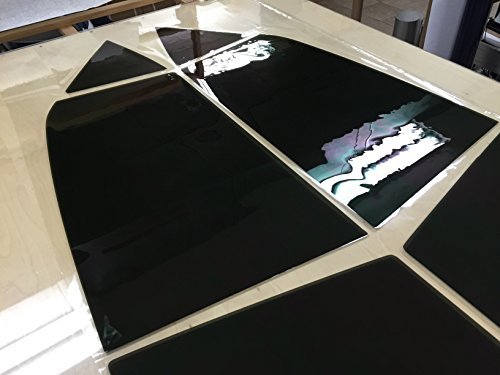
A vehicle-specific pre-cut kit can save trimming time, but only if it matches the exact year, make, model, body style, and window positions. Universal rolls need careful measuring and cutting. Curved rear windows may require heat shrinking and more skill. Work on clean glass in a dust-free area and follow the manufacturer’s instructions. Bubbles, dirt, and creases are much easier to avoid than to repair afterward.
Price, warranty, and long-term appearance
Basic dyed film is often cheaper than premium ceramic or multilayer film. Higher prices do not guarantee a good installation, and a poor installation can ruin even an expensive product. Look for written warranty coverage against fading, peeling, bubbling, or adhesive failure, and check who honors that warranty. Coverage can differ between product lines and regions.
Types of Window Tint: Which One Should You Buy?
- Dyed film: A common budget choice for privacy and glare reduction. Performance varies by construction; lower-cost dyed films may fade sooner than premium products. A darker appearance does not prove better heat rejection.
- Carbon film: Often chosen for its non-metallic construction and dark appearance. Heat rejection depends on the specific film, so avoid treating a single infrared-rejection percentage as universal for all carbon tints.
- Ceramic film: Usually a more expensive option for drivers prioritizing heat control while keeping a relatively light shade. Check TSER, VLT, and the maker’s test data rather than assuming every ceramic film performs equally.
- Multilayer optical film: Premium options such as 3M Crystalline use many thin optical layers to manage solar energy. Manufacturer data varies by shade and glass type; an advertised 97% infrared figure does not mean 97% of all solar heat is rejected.
- Static-cling film: A removable option that does not use the same permanent adhesive as traditional tint. It can be convenient for temporary privacy, but durability and optical quality depend on the specific product.
Do not automatically put automotive tint on house windows or residential film on a vehicle. The glass and film may not be compatible, and some manufacturers warn that incorrect applications can lead to glass breakage. Our linked guide on how to wash your car properly covers exterior paint care; for tint installation, the glass itself must be cleaned using the film manufacturer’s approved method.
Benefits and Limitations of Window Tint
- UV reduction: A film with verified UV-blocking performance can help reduce UV exposure through the glass and may slow interior fading. It is not a replacement for sunscreen or other sun protection.
- Less glare: An appropriate shade may reduce bright daytime glare, but an overly dark tint can make it harder to see pedestrians and hazards at night.
- Heat management: Good solar-control films can reduce heat entering the cabin. Results depend on the glass, weather, film, and how the vehicle is parked.
- Privacy and appearance: Darker film may make the cabin less visible from outside during daylight, but it will not prevent someone from seeing inside in every lighting condition.
Best Window Tint Reviews 2026: Five Options Compared
These five options suit different DIY projects. A vehicle-specific kit can simplify sizing, while a removable film or universal roll gives you more flexibility. Pay particular attention to fit, how the film attaches to glass, and how dark it becomes at night.
1. LEXEN Pre-Cut Car Window Tint — Convenient DIY Fit
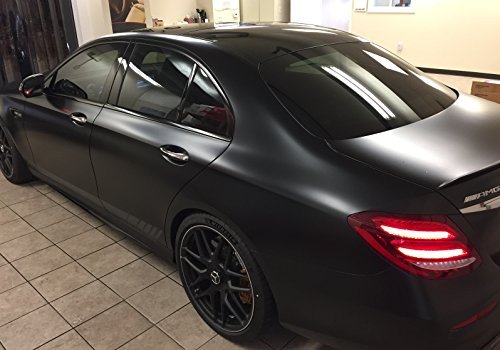
LEXEN’s pre-cut tint kit is convenient if you want pieces shaped for your vehicle rather than a universal roll you must measure and trim. With a suitable non-reflective film shade, it can improve privacy and reduce daytime glare. Make sure you choose the right year, make, model, and window positions before ordering; a pre-cut shape still takes careful cleaning and installation.
Good tint should look smooth after application and be easy to maintain with film-safe glass-cleaning products. The actual UV and heat rejection depends on the film grade and shade, so compare those performance ratings when deciding between kits. If you need to correct existing paint damage as well scratch related to the vehicle’s finish, handle that separately from the window-tint project.
- Format: Pre-cut window pieces for a specified vehicle.
- Pros: Less manual trimming; several shades may be offered.
- Limitations: Fitment, film type, and included windows depend on the order; professional-looking results still require patience.
2. Black Magic Insta-Cling — Removable Dark Tint
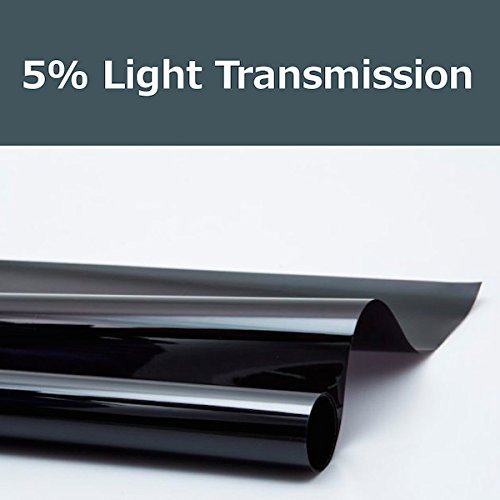
Black Magic Insta-Cling is a removable automotive tint option for drivers who want a dark finish without using a permanent adhesive. Its 5% VLT shade lets through about 5% of visible light, giving a strong privacy effect. The cling-style roll can be trimmed to fit suitable glass and removed when needed.
This is a convenient format for certain temporary applications, not a blanket recommendation for every car window. Five-percent tint is extremely dark and may be illegal on front windows or unsuitable for night driving. Check the permitted location and read the package before buying.
- Format: Trim-to-fit, removable static-cling film.
- Pros: Removable, reusable, no traditional adhesive.
- Limitations: Very dark; may be restricted by local law; check the exact product pack.
3. Auto Expressions Window Film — Simple Cut-to-Fit Option
Auto Expressions window film appeals to DIY buyers who prefer a roll they can cut to fit a particular pane of glass. A cut-to-fit format gives you flexibility with the shape and size of the installation, although it requires more careful measuring and trimming than a vehicle-specific kit.
When choosing a universal roll, consider the film’s shade, adhesive method, and the glass you plan to cover. A darker film can improve daytime privacy but also reduce visibility after sunset. For summer comfort, look at total solar heat rejection as well as appearance rather than relying on darkness alone.
- Format: Trim-to-fit window tint film for DIY application.
- Pros: Flexible fitting and a straightforward project for patient DIY installers.
- Limitations: Accurate cutting and careful installation take more time than with a pre-cut kit.
4. OxGord Window Tint Film — Universal Roll Option
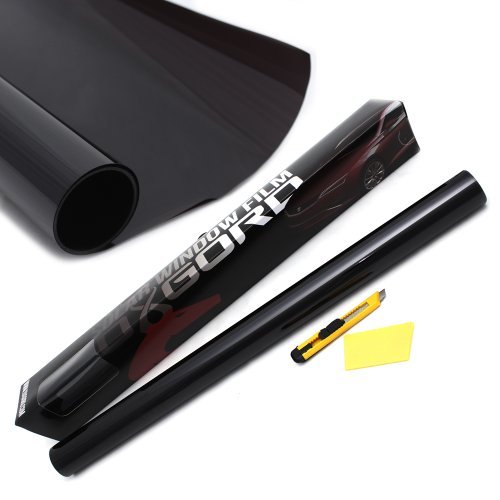
OxGord offers a reflective window-film roll that can be cut to fit different glass sizes. Its main appeal is flexibility, particularly for DIY privacy projects where the glass is not a standard automotive window shape. Allow extra material for trimming and work slowly to avoid creases.
Reflective films can look different from dyed or ceramic automotive tint. Before installing, ensure the film is suitable for the intended glass and that its reflectivity complies with local vehicle laws. A reflective appearance does not automatically mean better solar heat rejection.
 Check Price
- Format: Reflective, cut-to-fit privacy-film roll.
- Pros: Flexible cut-to-fit format if the film is appropriate for the intended glass.
- Limitations: Needs accurate cutting, compatible glass, and attention to local reflectivity rules.
5. Gila Automotive Window Tint — Versatile DIY Film Options
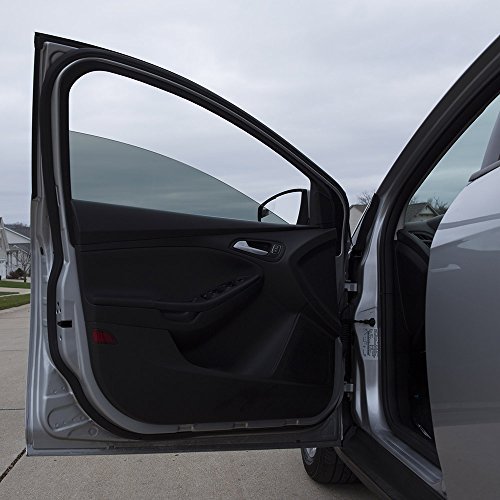
Gila offers automotive window films with different installation methods and features. Its Static Cling 5% VLT film is removable and lets through only a small amount of visible light, while its Heat Shield line uses an adhesive-backed application. This gives DIY installers different choices depending on whether they want removable privacy film or a more permanent installation.
For a removable installation, static-cling film is convenient because it avoids the permanent adhesive used by many other films. For a heat-focused installation, compare each Heat Shield film’s VLT, UV protection, and solar heat-rejection figures. Follow Gila’s installation and care directions for the specific film you choose. Gila’s current Static Cling specifications are a useful reference.
 Check Price
- Film options: Removable Static Cling and adhesive-backed Heat Shield products.
- Pros: Choice of installation methods and helpful DIY instructions.
- Limitations: Very dark shades reduce night visibility and may not be road legal on every window.
Car Window Tint Laws: Check Before Installing
The best window tint is one that fits your car and complies with the law where you drive. In the US, VLT limits differ by state and often by window position and vehicle category. Windshield rules, reflectivity limits, tint colors, certification labels, and medical exemptions may also apply. Check official rules rather than relying on a nationwide chart or a seller’s “legal” label.
For instance, Texas DPS says the front side windows must transmit at least 25% of visible light when the film and glass are measured together. California generally prohibits ordinary aftermarket darkening on front side windows, with limited exceptions for qualifying clear UV film. For a general introduction, the resource on how to don’t cross with the law can provide background; your state’s motor-vehicle authority has the final say on legal requirements.
How to Install and Care for Window Tint
- Confirm fit and legality: Check your car’s exact glass dimensions and your state or country’s VLT rules before opening the package.
- Prepare the glass: Use the cleaning method specified by the film maker, remove contaminants carefully, and keep dust away from the work area.
- Follow the correct installation method: Adhesive film, static cling, and pre-cut kits can require different techniques. Use the recommended application solution and tools.
- Work carefully around edges: Avoid scratching defroster lines, damaging rubber seals, or trapping air and dust beneath the film.
- Allow the film to cure: Follow the product’s instructions before rolling windows down or cleaning the film. Curing time varies with weather and film type.
Frequently Asked Questions
Is 5% tint legal on front windows?
Often no. Five-percent VLT is extremely dark, and many jurisdictions require much higher light transmission on front side windows. Check your specific state, window position, and vehicle type.
Does darker tint always reject more heat?
No. High-performance light films can outperform basic dark dyed films for solar heat rejection. Compare TSER and manufacturer test data, not just VLT or a headline infrared percentage.
Can automotive tint be used on home windows?
Not automatically. Film and glass compatibility matter. Some manufacturers explicitly advise against applying automotive film to residential glass because it can increase the risk of glass breakage.
Is pre-cut tint easier to install?
It removes much of the trimming work when it fits correctly, but clean glass, careful application, and sometimes heat shrinking are still important.
Final Thoughts
If you want the best window tint for a straightforward DIY project, a properly matched LEXEN pre-cut kit may be convenient. For removable dark film, Black Magic Insta-Cling and Gila Static Cling are options to compare, but their 5% shades are not suitable for every legal application. Auto Expressions and OxGord provide cut-to-fit alternatives, though they require careful measuring and attention to the type of glass being covered.
Prioritize legal VLT, accurate fit, documented heat and UV performance, and a clean installation. A lighter, well-made film can be a better choice than the darkest roll on the shelf.